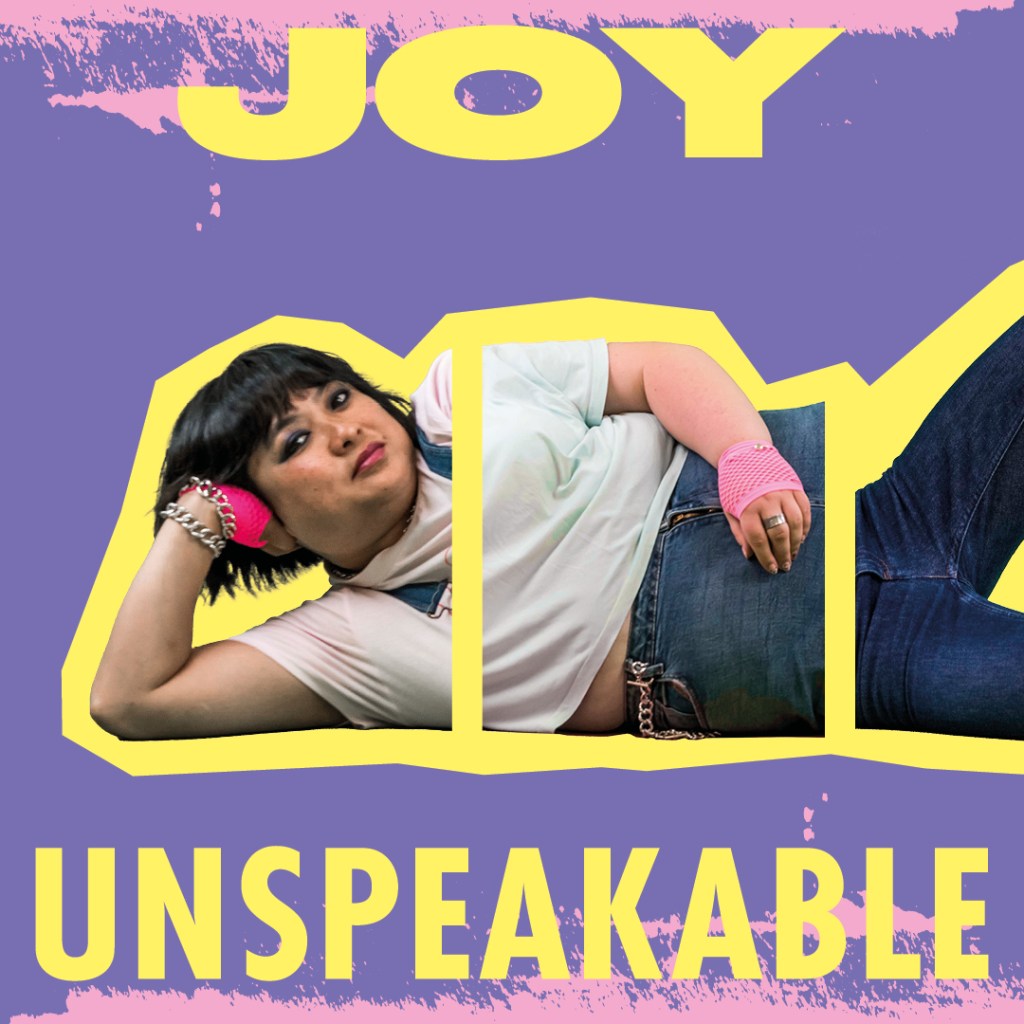
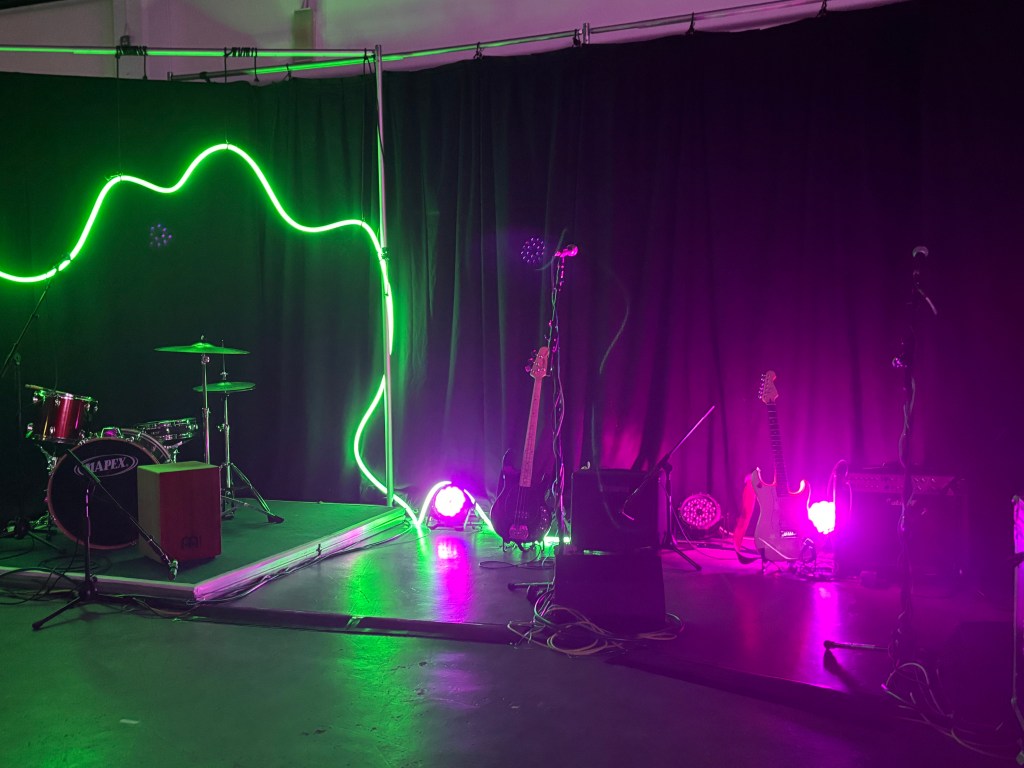
On Wednesday, September 11th, I watched Joy Unspeakable, an all-female production directed by Amy Hailwood from her theatre company, Ordinary Glory. The play uses verbatim text, physical theatre, and live music to explore the real-life experiences of four women dealing with disordered eating.
In addition to these true accounts, the play is influenced by Hailwood’s own experience with bulimia during her late teens and early twenties, from which she has since recovered. Hailwood believes that cultural representations of eating disorders remain limited and that discussions about them are still considered taboo. She aimed to create a show that debunks myths about disordered eating, highlights the diversity of experiences, and provides a supportive message that recovery is possible.
Hailwood said: “Nearly a million women and girls in the UK have an eating disorder and since Covid, referral numbers have been skyrocketing. Yet understanding and cultural representation of this aspect of mental health feels some way behind other areas of the mental health conversation. As an artist with lived experience of eating disorder recovery, I was inspired to create Joy Unspeakable to open this conversation up and inspire others with hope that change is possible.”
From the start of the play, the production team made efforts to create a safe environment for the audience to experience Joy Unspeakable. They provided warnings about potentially triggering content and offered headphones with white noise that the audience could use to step away from the production if needed. This gesture allowed viewers to take a break or simply relax during the show. It was evident that the production team took comprehensive measures to ensure the audience’s comfort and well-being.
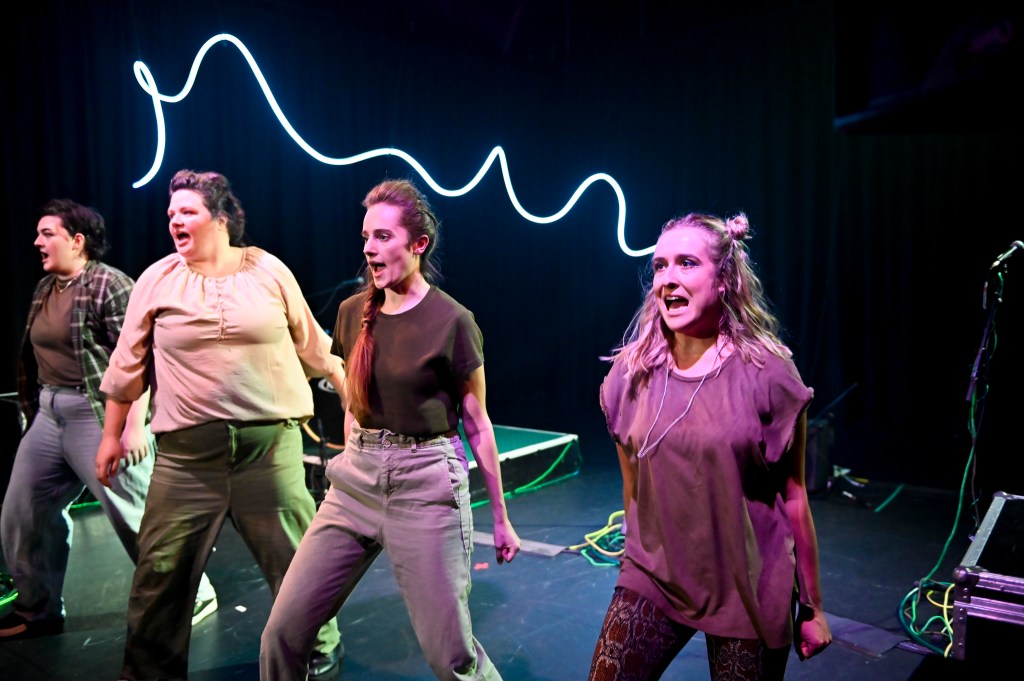
In the scene described, the four female characters loudly express their experiences with disordered eating. The varied portrayals emphasise the diversity of these experiences, showing that disordered eating can manifest in different ways, from overeating to not eating at all. This helps the audience understand that these disorders do not have a singular appearance or experience. The lyric “all we can control is our bodies” underscores the societal pressures and personal struggles women face daily regarding their bodies. Whether influenced by society or social media, the narrative surrounding body image is one that seems inescapable.
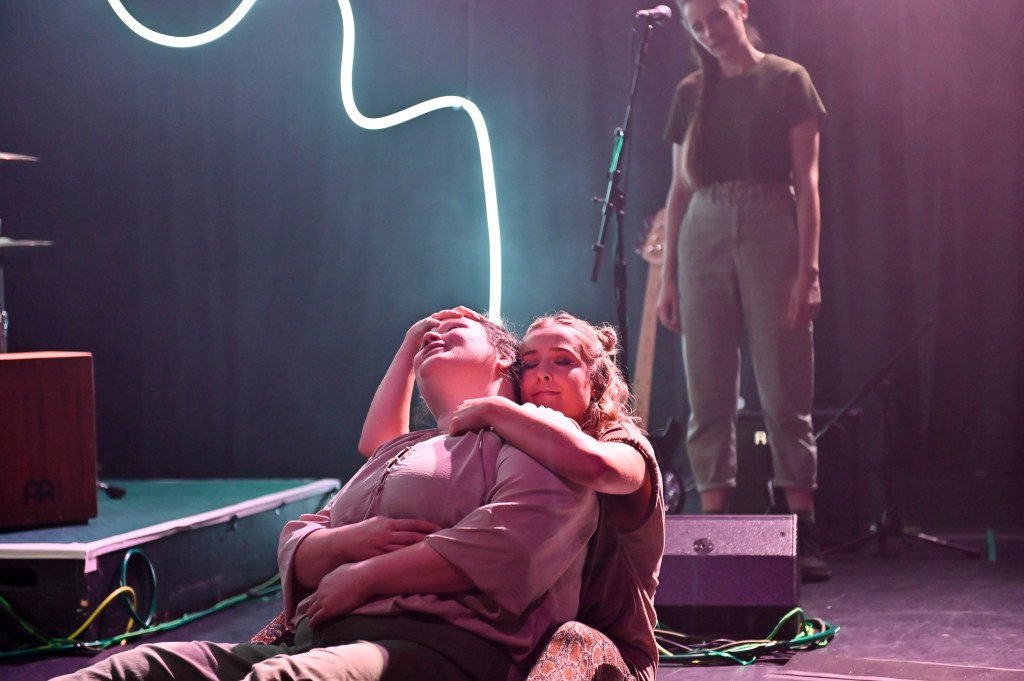
A scene from the production illustrates the grip eating disorders have on those who suffer from them. Image courtesy of Ordinary Glory.
This image captures the intensity of the scene and its impact on the audience. While the characters’ thoughts about body image might initially appear as mere reflections, the scene reveals a deeper, more insidious intent. The seemingly innocent hold of one actor on another is subtly sinister and persistent. For me, this scene underscores how obsessive thoughts about body image might start as insignificant but can quickly become all-consuming and inescapable.
Despite the heavy scenes, the show concluded with a hopeful message for those suffering from eating disorders. Rather than presenting a Disney-like version of recovery, it depicted the process as non-linear and complex. The show acknowledged the possibility of relapse while emphasising the importance of striving for improvement. It was uplifting to see a scene where, on the road to recovery, the characters became more accepting of their bodies and danced with joy. This powerful moment stood in stark contrast to the darkness that initially surrounded their stories.
After the show, there was a Q&A with the cast, director Amy Hailwood, and a mental health professional to discuss the themes highlighted in the production. I specifically asked about how women’s anger is often labeled in society, frequently seen as a response rather than a valid emotion. I shared my frustration with how society imposes unrealistic standards of the “perfect” body on women, making it nearly impossible to embrace differences. Amy Hailwood agreed, noting that women’s anger has historically been judged by society and remains a significant influence on how we perceive and shape our bodies.
Over 1 million women and girls in the UK experience eating disorders, a statistic that was striking to me. The play prompted me to reflect on my own experiences with body image, reminding me of my teenage years when I struggled to fit in. I recall how early comments about my body were difficult to shake off. As I’ve grown older, I’ve made efforts—though sometimes unsuccessful—to cultivate self-love and have reached a point where I feel more confident in my body. However, I recognise how social media and unrealistic beauty standards can still make us feel inadequate at times.
The play sensitively addresses disordered eating, offering a nuanced portrayal of the complexity of eating disorders through the experiences of women who have lived them. I also admire the meticulous care taken to handle these themes with respect and sensitivity, including consulting mental health professionals and individuals in recovery. The production provided a supportive experience for the audience, with measures like white noise breaks and self-care packages. Everything was executed thoughtfully, and in my view, it could not have been done better.
Unspeakable Joy runs until October 5th, and I highly recommend you see the production. For those affected by the themes of the play or if you or anyone you know is suffering from an eating disorder, support is available through the charity pages linked below. I’ll provide links to purchase tickets and learn more about the production company as well.
Tickets and Production Information:
Support and Resources:


Sounds fascinating. Good blog once again.
LikeLike