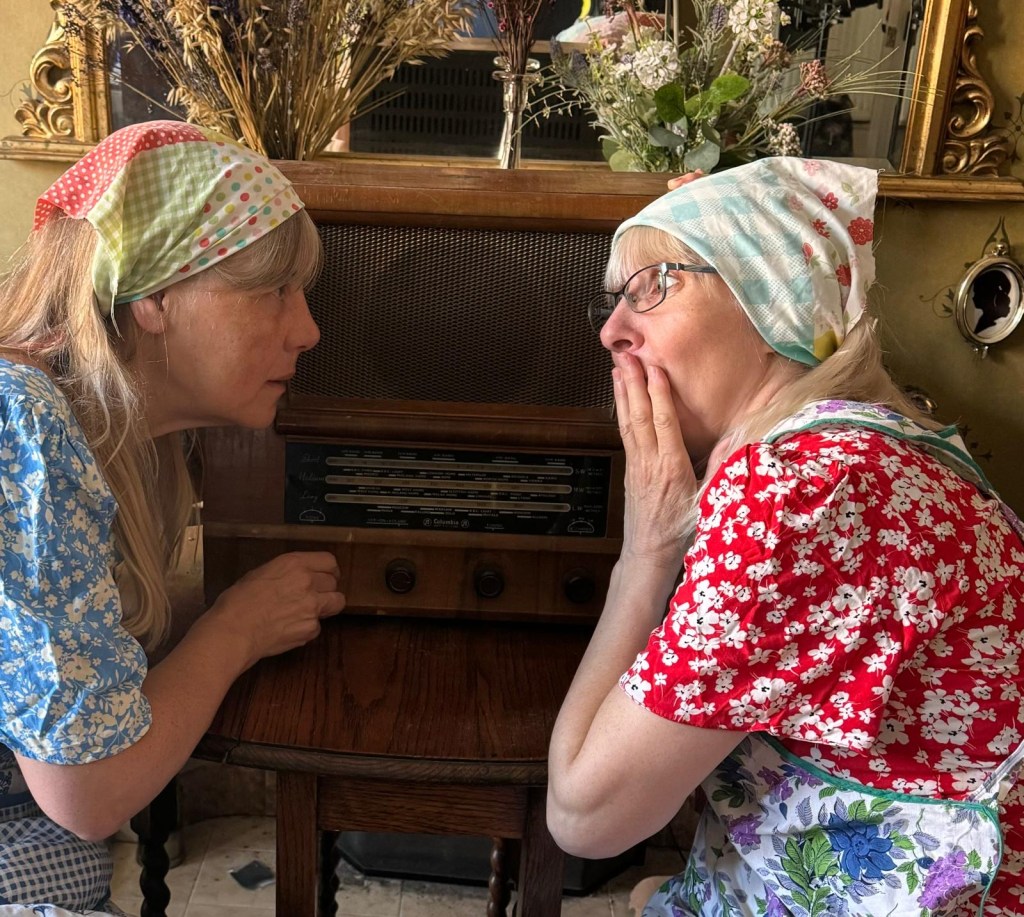
“The Ladies of Leigh,” written by Julie McKiernan and Corrie Shelley, is a dynamic performance that brings the forgotten history of Leigh’s women to life. Julie, a freelance writer, creative writing tutor, and amateur historian, is known for her work on local history through scripts, essays, and books. Corrie, a talented singer, photographer, and composer of local history folk songs, adds her musical flair to the production. Together, they blend humour, engaging characters, period costumes, and music to explore the challenges and opportunities faced by Leigh’s women, revealing their untold stories that have been overlooked by history.
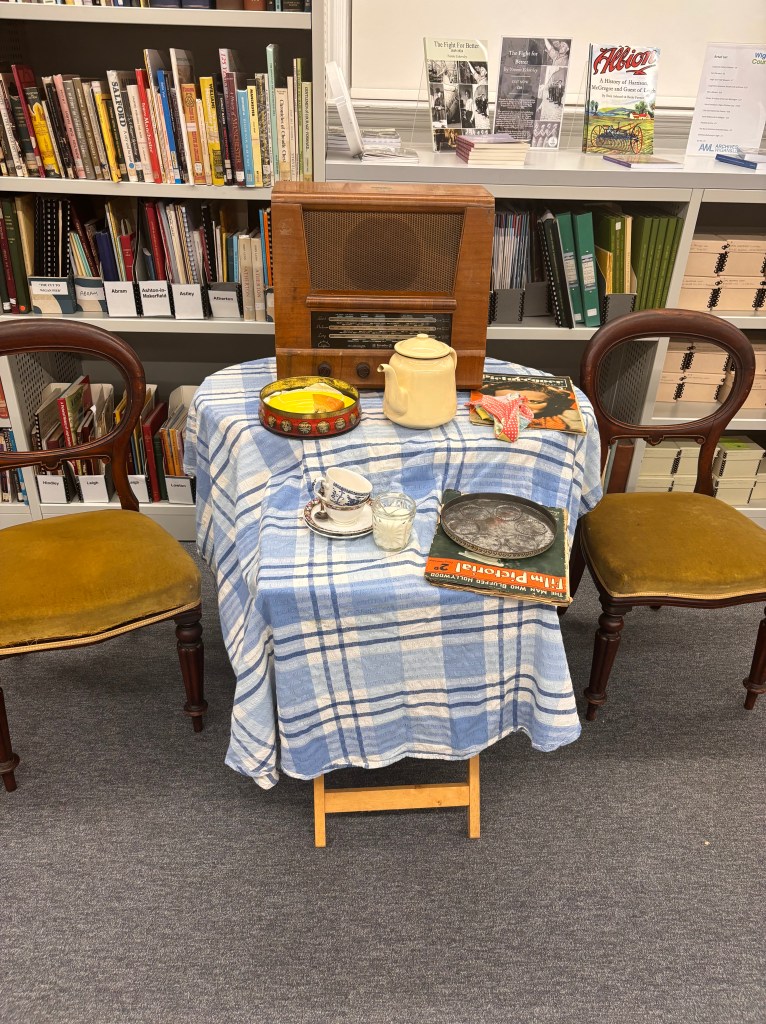
Set in 1940, two old friends, Louie and Annie, are listening to the radio, leading them to wonder if there were more stories about Leigh’s most talented and daring women. The audience is invited into their living room as they imagine and explore an alternative version of the wireless, a version which highlights the lives and contributions of the remarkable women from their hometown of Leigh.
The realistic approach to the set and use of dialect in the play made me feel like a guest, personally invited into Louie and Annie’s home, joining their critique of the absence of female voices on the wireless. The prominence of the wireless, along with the clever concealment of modern technology, allowed it to serve as a central prop, drawing the audience in. It felt like we were not only hearing news from that era but also experiencing reimagined stories in real time, blurring the line between past and present.
Using the framework of the BBC program Women’s Hour, which first aired in 1928, the ladies reimagined what the show might have been like if it focused less on the domestic sphere and instead highlighted the triumphs of local women like Mary Pownall and Ada and Hilda Smith. This alternative vision celebrates the remarkable achievements of Leigh’s women, showcasing their contributions beyond traditional roles.
Mary Pownall (1862-1937)
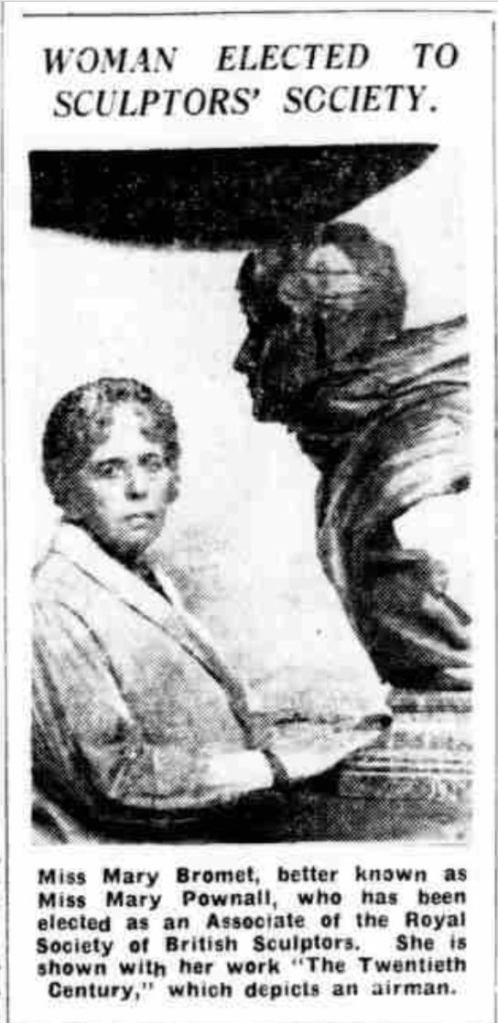
Mary Pownall (also known as Mary Pownall-Bromet or Mrs. A. Bromet) was an accomplished sculptor born in Leigh, Lancashire, in 1862. She spent a year studying in Frankfurt before moving to Paris, where she is believed to have trained under the renowned sculptor Auguste Rodin. After several years in Paris, she continued her studies in Rome for four years. Upon returning to England, Pownall worked as a sculptor, creating pieces in plaster, marble, and bronze.
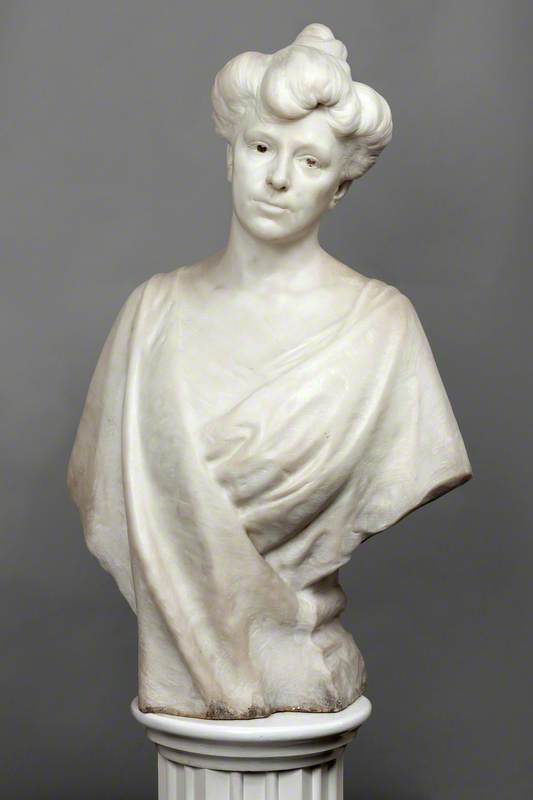
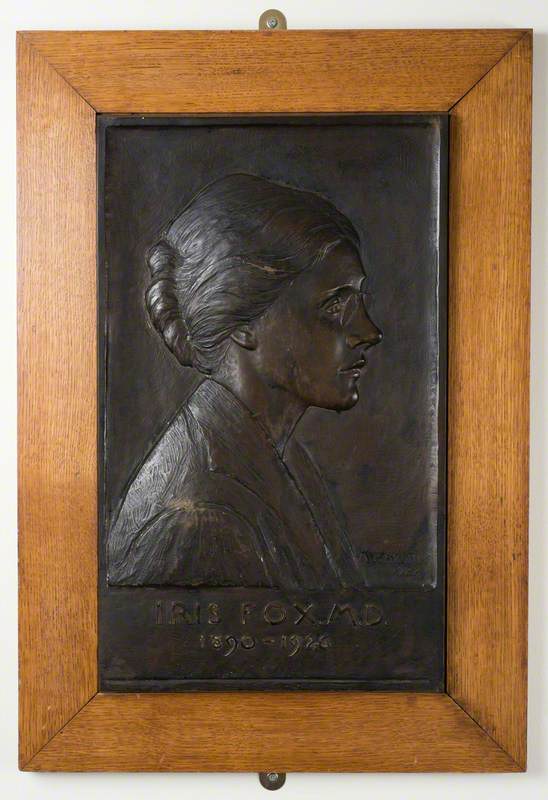
Mary Pownall frequently exhibited her work at prestigious venues, including the Royal Academy in London from 1897 to 1932. Her sculptures were also showcased at the London Salon, Leeds City Art Gallery, the Royal Birmingham Society of Artists, the Royal Glasgow Institute of the Fine Arts, Walker Art Gallery in Liverpool, Manchester City Art Gallery, the Royal West of England Academy in Bristol, and the Paris Salon, among others.
I was ashamed to admit that I had never heard of Mary Pownall and her legacy in the art world. I love how her work is intricate and true to life while exploring the effects of different mediums, from marble to bronze. As noted by Julie and Corrie during an engaging Q&A session with the audience, it would be wonderful to have a blue plaque in Leigh honouring her legacy, as well as an exhibition of her work at The Turnpike Gallery.
Ada and Hilda Smith
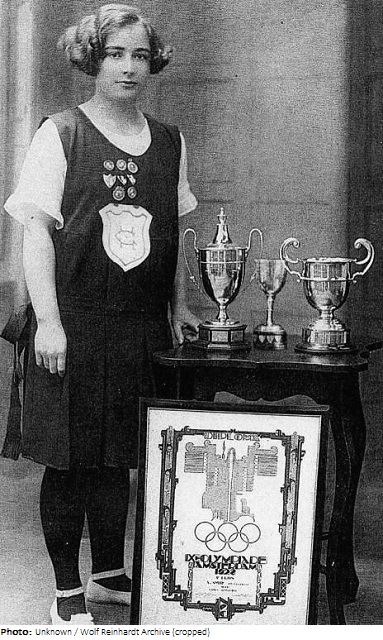
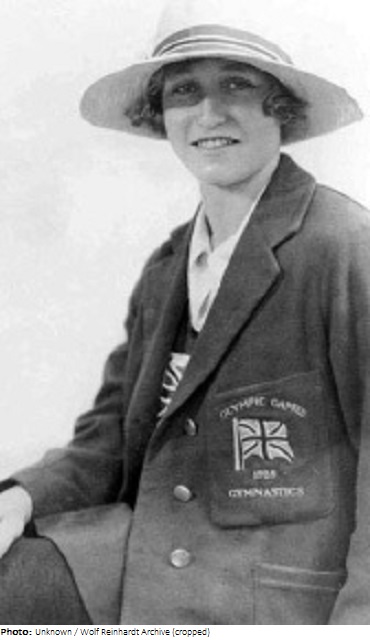
Ada and Hilda Smith were two members of the inaugural British women’s Olympic gymnastics squad at the 1928 Olympic Games in Amsterdam. Both women were affiliated with the Leigh Gymnastic Club and trained at Marsh Gymnasium in Leigh. Despite their similar names, they were not related.
Ada entered the Olympics after finishing third in both the 1928 Northern Counties and National Championships, placing behind Carrie Pickles and Anne Broadbent on both occasions. She concluded her competitive career by coaching gymnastics at Marsh Gymnasium.
Hilda was just shy of her 19th birthday when she won her bronze medal at the Amsterdam Games.
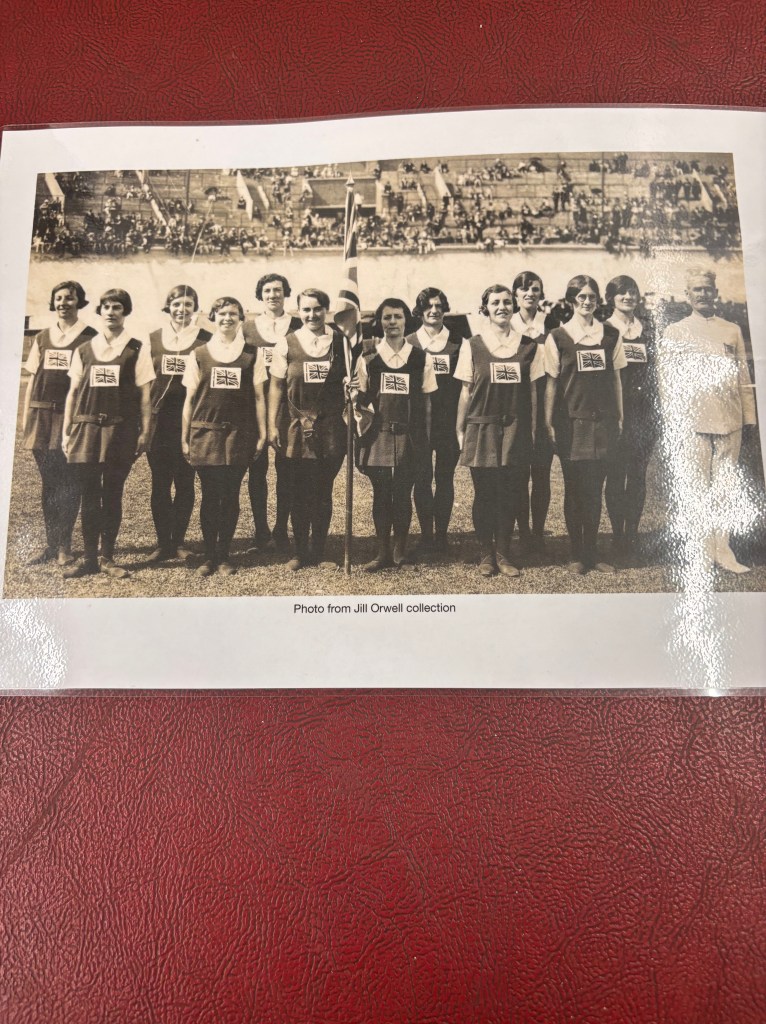
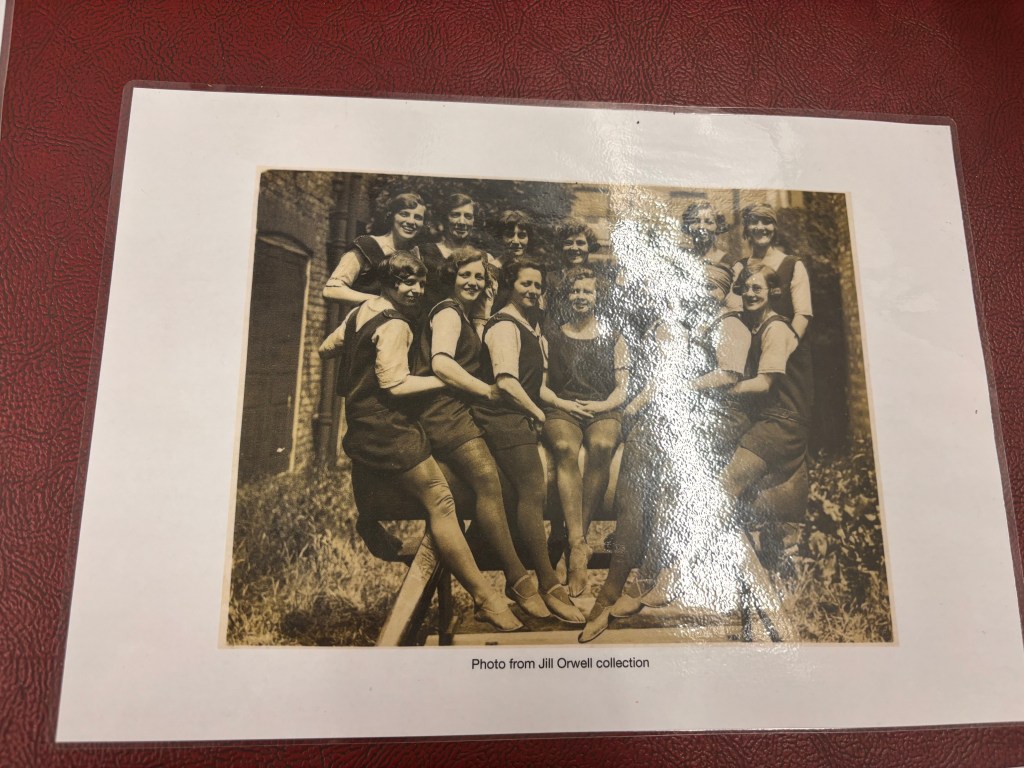
The photos from the Jill Orwell collection showcase the Team GB Women’s Gymnastics Team at the 1928 Amsterdam Olympic Games in their gymnastics apparel. I found it amusing that, in the 1920s, it was considered scandalous for women to bare their legs in such photos, highlighting just how sensitive society was about women’s bodies at the time. As a feminist, I believe the women in these photos were rebelling against these standards by confidently expressing themselves
Learning about the stories of Ada and Hilda Smith through the play highlighted the strong female sporting icons from my hometown. It astonishes me that their stories have been overlooked and forgotten. If it weren’t for the Archives, Leigh’s Family History Society, and creative facilitators like Julie and Corrie, I would never have discovered their remarkable legacies.
Julie McKiernan’s and Corrie Shelley’s play, Ladies of Leigh, offered a concise yet rich exploration of the hidden stories of the women of Leigh. Their authentic set and dialogue made the audience feel as if they were in the characters’ living rooms, joining in on their musings while painting a vivid picture of a different time in history. The play made these stories visible to the community and, for a modern audience—especially women—it provided an opportunity to connect with their history and learn from these narratives, ensuring that they won’t be forgotten and will live on for future generations.

