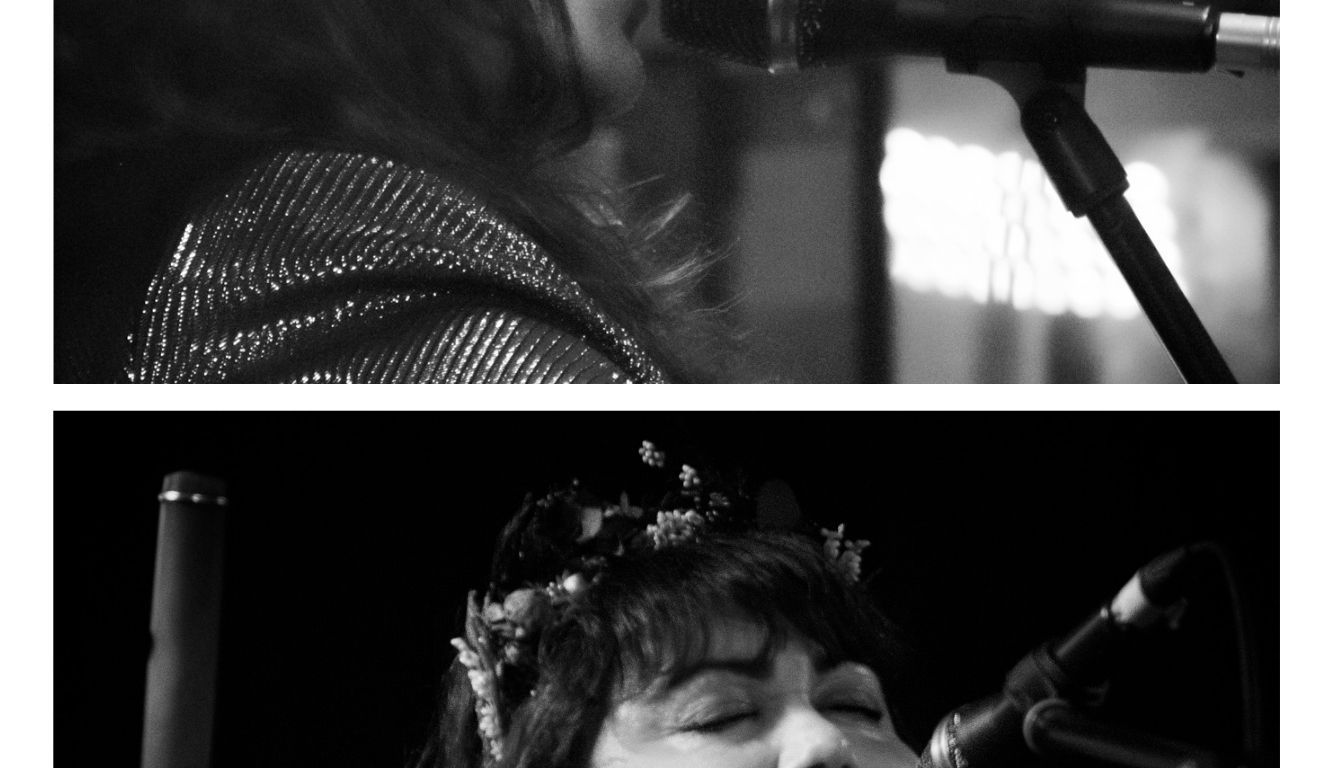
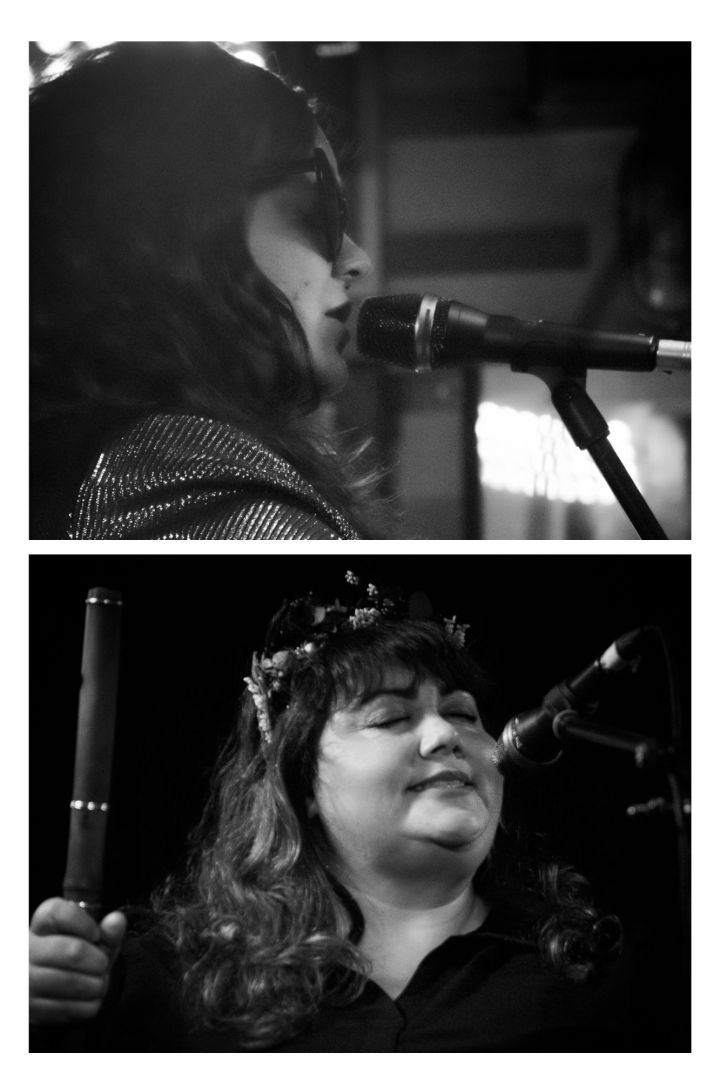
From the moment Bek Jones and Ríoghnach Connolly took the stage at The Snug in Atherton, the audience was captivated. Jones, with her rock-infused, bluesy vocals and evocative lyrics, blended seamlessly with Connolly’s hypnotic and enchanting voice. Their performance was a mesmerising fusion of folk, rock, blues, and storytelling. The intimate venue, filled with an eager crowd, provided the perfect backdrop for a truly unforgettable night.
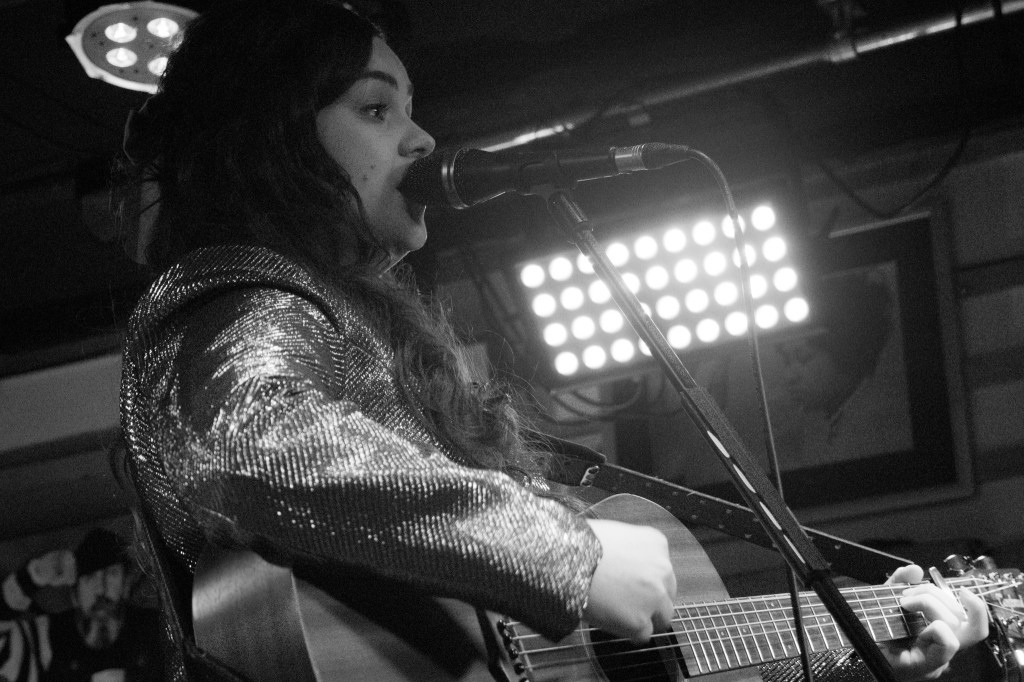
Bek Jones, a local singer-songwriter from Hindley Green, is no stranger to The Snug stage. Opening the evening in support of Ríoghnach Connolly, she delivered a electric performance. Jones found her inspiration during lockdown, watching documentaries about her favourite female artists. Influenced by icons like Stevie Nicks, Shania Twain, and Dolly Parton, she pursued her dream career in music, bringing a unique blend of rock-infused storytelling to the stage.
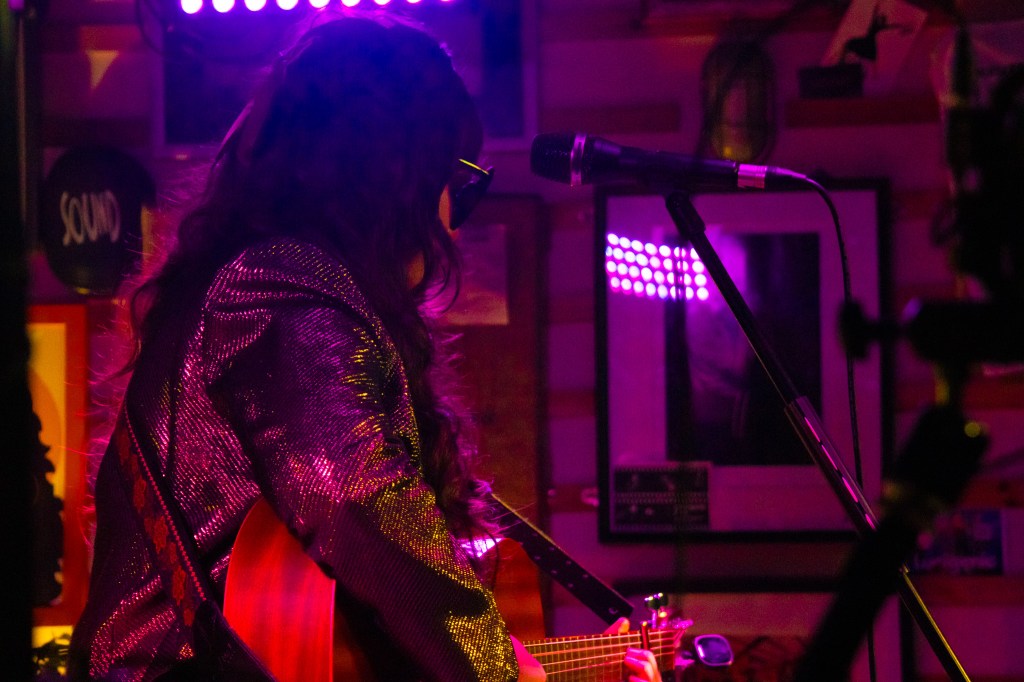
A standout moment from her set was her debut single, Woman—a gritty, blues-infused rock track with a powerful message of female empowerment. Jones opened the song by spelling out “Woman” through her lyrics: “W for Where we going,” “O You really should know,” “M is for the Many,” “A We’re going to have our say,” and “N Never Doubt.” This anthem packs a punch, delivering its message with unwavering strength and conviction.
The anthemic chorus of Jones’ Woman resonates with defiance as she declares, “I am a woman of wisdom and pearls,” refusing to conform to societal expectations: “They tell me to behave, but I won’t be their slave.” Her lyrics, “You may throw sticks and stones, but I use them to build my throne,” embody resilience and strength, showcasing not only her grit as an artist but also her sharp wit with a pen.
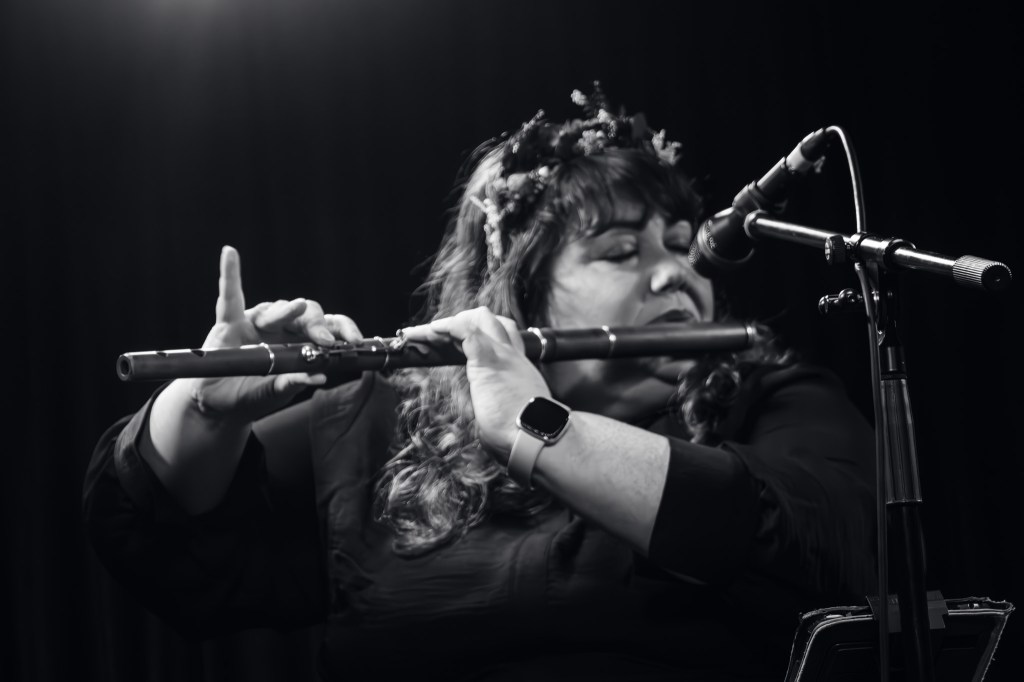
Ríoghnach Connolly grew up immersed in a rich musical heritage through the Armagh Pipers Club in Northern Ireland. Now based in Manchester, she is a vocalist, flautist, lyricist, and workshop facilitator. Her extensive catalogue includes collaborations with The Breath, Honeyfeet, Band of Burns, and The Afro Celt Sound System. Her talent and influence in the folk scene were further recognised when she was named BBC Radio 2’s Folk Singer of the Year—an honour she still holds.
With an eclectic and intricate sound, Connolly captivated the audience with her haunting vocals, masterful musicianship, and evocative renditions of classic folk songs. She opened with “Maudlin’s Search for Her Tom of Bedlam,” a powerful piece that has influenced folk staples such as Steeleye Span’s Boys of Bedlam.
Reflecting on the “madness business,” Ríoghnach explained how the song portrays the desperate journeys of the poor, who traveled from Scotland to the infamous Bethlem Royal Hospital—commonly known as “Bedlam.” The hospital, first established in 1217 in Bishopsgate, relocated multiple times—from Moorfields in 1676 to St. George’s Fields in Southwark in 1815—before settling in its current location in Monks Orchard in 1930. Bedlam became synonymous with chaos and suffering, embodying the worst extremes of the asylum system, where the uproar and confusion gave rise to the term we still use today.
The song appears in Thomas D’Urfey’s 1720 collection Pills to Purge Melancholy under the title Mad Maudlin’s Search for Her Tom of Bedlam. “Maudlin,” a term historically associated with tearfulness and excessive drunkenness, reflected the emotional despair of those deemed mad. With lyrics warning of the “madhouse,” where people pay “a penny to see you and laugh,” and describing the “boys of Bedlam” as “bonny,” Connolly’s haunting vocals and evocative flute-playing brought the song’s tragic essence to life. The audience could almost see the lost souls who once wandered Bedlam—perhaps searching for love, yet finding only brokenness and despair.
Connolly also performed Lisburn Lass, a mid-19th-century folk song about a man forced to enlist in the army and travel to India in search of his lost love. Setting the scene beneath a harvest moon, Connolly painted a vivid picture of a man “deep in love with a Lisburn maid.” As is common in folk tragedy, his lover’s parents “bestow a frown upon him“, disapproving of their union. Yet, his devotion remains unwavering. Describing the Lisburn lass as the best thing to come from the small Northern Irish town, Connolly’s lilting, flowing vocals held the audience captive. However, the song’s bittersweet ending saw the heartbroken lover bid farewell with a solemn “Goodbye, my love from Lisburn”.
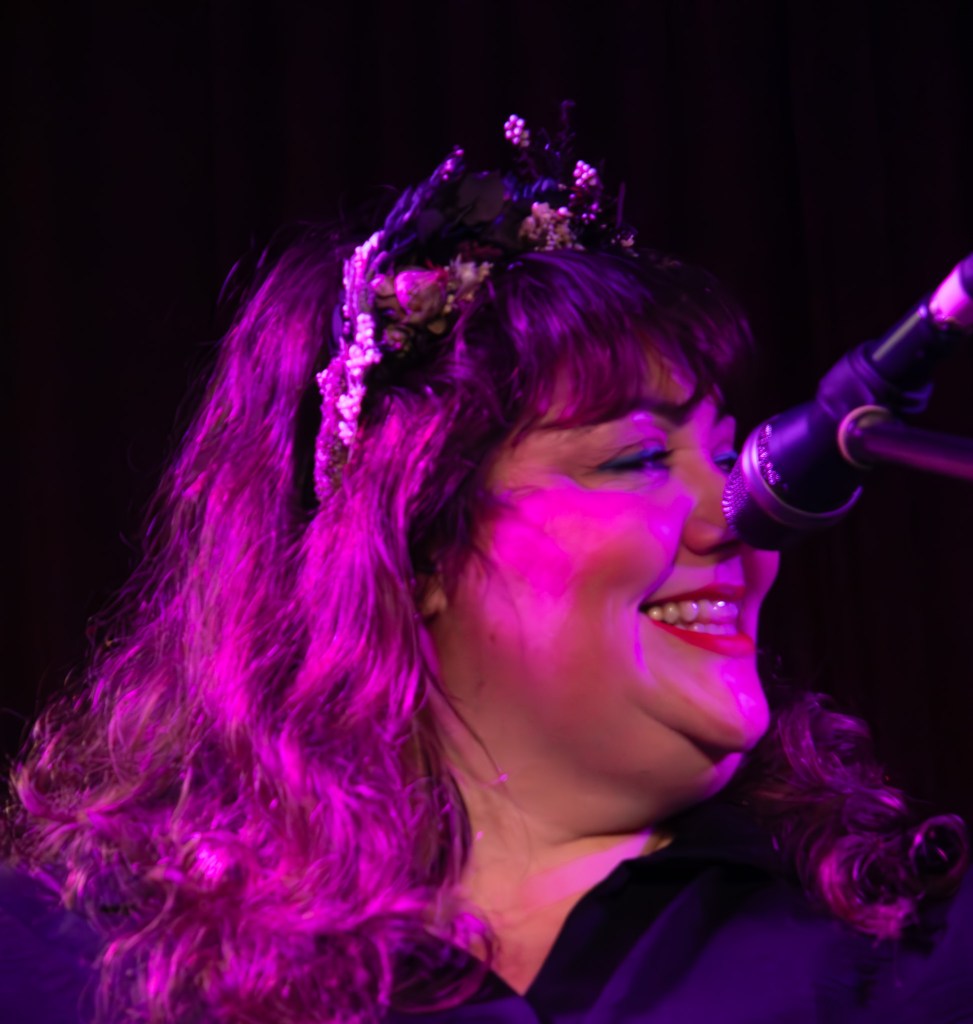
Bek Jones and Riognach Connolly delivered a haunting blend of blues, rock and folk and the power of storytelling through music. The audience was capitivated by their strong prescence, hard-hitting lyrics, and the force of two women making their name in an industry dominated by men. If you get chance to see these artists live dont miss it – expect mesmirsing vocals, emotion and a performance that lingers with you long after it concludes. A little blues, folk and rolk can go a long way!


Certainly is a deep dive. Not only do we get to read about some great talent we learn about Bethlem Royal Hospital. Fine bit of research and excellent read accompanied with photographs that once again capture the atmosphere.
LikeLike
excellent article black and white pi tures capture the moment you have a way of geeting the reader to be taken in all i can say is stunning well done lois
LikeLike