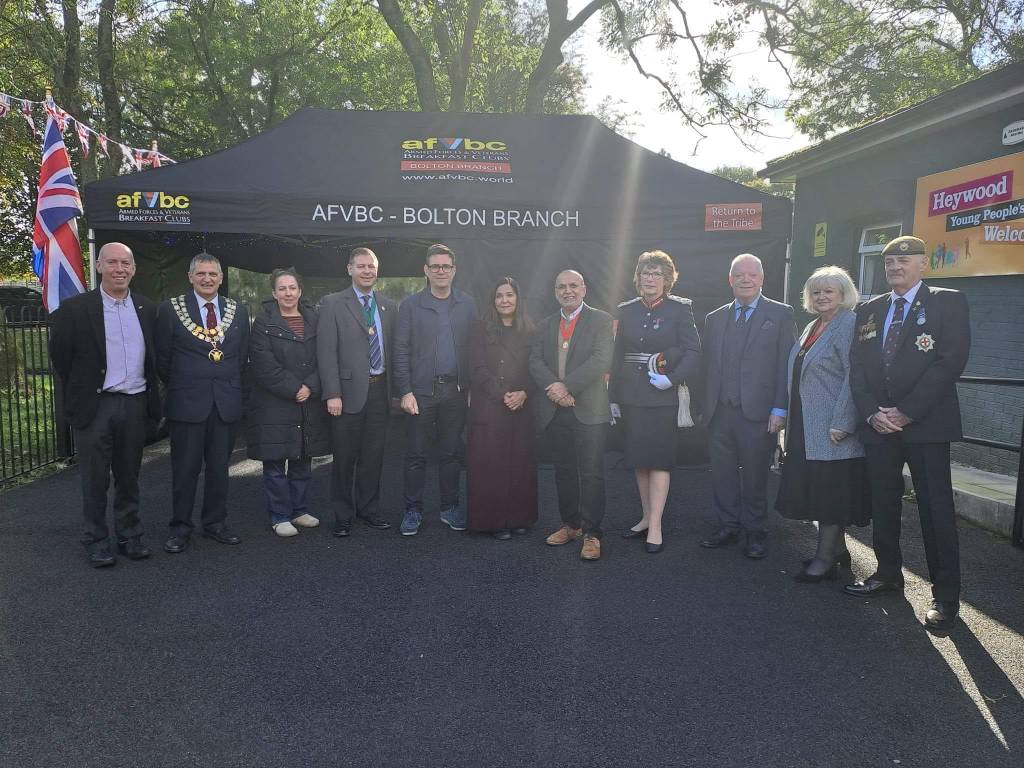
On a cold morning in Bolton, former Paratrooper Ken Royles sits at the table with a hearty breakfast and steaming tea, sharing stories of his service. Like many veterans, the transition to civilian life has brought the struggles of loneliness and isolation. “No veteran wants or needs sympathy, they want understanding.”, Ken says. “Civilians don’t know what I have seen and done and how it has affected me. I have three types of days: normal, sad and tearful. I hate the loneliness.”
Ken’s experience reflects a broader issue. A 2022 survey by the Office for National Statistics and the Office for Veterans Affairs found that 31.3 per cent of veterans reported feeling lonely either often or some of the time. However, groups such as the breakfast club seek to combat this issue, providing veterans with a sense of belonging, understanding and camaraderie.
For Ken, this club is a lifeline, where he feels connected again.
The challenges of transitioning from military to civilian life are profound. A study from Northumbria University found that 65 per cent of ex-military service men and women report feelings of isolation and loneliness after leaving the British Army. Similarly, Help for Heroes found that 82 per cent of veterans they surveyed said that they were lonely.
In Bolton, the club addresses the issue head-on by providing veterans with a vital social network to share experiences, connect and support each other, rekindling the bond they felt during their service. For former Paratrooper Ken Royles, the group helps to alleviate loneliness. It provides the understanding he feels is missing in society such as “good food, good friends, and great banter with valuable support”, shares Ken.
Military life demands strong social integration as an essential part of its culture and purpose, with service members expected to adhere to strict protocols shaping their daily lives and mindset according to a Northumbria University Study. “My home is plain and simple, like a barrack with no pictures. It’s a matter of choice.” His words highlight the deep and lasting impact military service has on veterans, influencing their lives, social participation and engagement with civilian life. As Ken notes, the transition is challenging, “In the military, your life is structured, you are disciplined, wear a uniform and live by rules.”
Macbool Wahid, a fellow veteran who also attends the Bolton Armed Forces Breakfast Club emphasises the importance of the Armed Forces Breakfast Club in fostering connections and combating loneliness and isolation. “I found that when I met other ex-military people, they often seemed to be at a loose end, and I felt it too, especially when speaking with civis (civilians),” he shares. “Having a space where we can meet and ‘bounce off’ one another is incredible. Many veterans struggle to find their place in the civilian world. When we start talking, it’s like we’ve known each other forever- we’re all on the same wavelength.”
Simon Skirving, founder of the Armed Forces Breakfast Club and fellow veteran who served as a Guardsman in the Coalstream Guards shared his pride in military service. “It’s hard to explain the pride you feel when you put on the red tunic and bearskin and march behind the band and feel 6ft tall.” Reflecting on his service of deployment to Northern Ireland in 1975, he added “To say it was an eye opener is an understatement.”
After leaving the military, Simon, like many veterans, struggled with a sense of loss and unease. His journey took a tragic turn with the passing of his son Jonathan in 2009. “That was devastating that’s when I turned to the armed forces centre that was based in Bolton. I needed that support from the military community. I had put all my memories in a locked box never intending to be opened again- until I started talking to other veterans.”
Former Royal Engineer David Johnson, affectionately known as “Johno” recalls his introduction to breakfast clubs in 2017 “I started going to the first Bolton club, which was run by the Armed Forces Centre in Yates Pub weekly. This was a great social event, which attracted plenty of veterans. However, when The BAFC moved, the club stopped.”
Determined to keep the tradition alive, Johno restarted the club at a local cafe on Saturday mornings. However, the COVID-19 pandemic forced the gatherings to pause. “Covid put a stop to the breakfast club for quite a while,” Johno explained. “When we restarted, we faced another challenge with the venue closing. That’s when Simon reached out, wanting to host the breakfast club. I visited the new set up and it felt right, so I handed the reins over to him, and continued to help when needed.”
Simon shares that since starting the breakfast club, it has gone from “strength to strength.” He elaborates, “We provide a safe space for veterans, along with assistance such as financial and housing support, or network groups to tap into if needed.” Highlighting the importance of such networks, he adds, “Civilians often don’t fully understand what veterans have gone through. When you join the army, it’s not about medals or awards—it’s about serving your country.”
Bolton Council has voiced its support for such initiatives. David Hayes, Senior Civic Officer at the Mayor’s office told this paper that the leader of the council Nick Peel with other councillors have attended the veterans’ clubs to show their support. He added “These breakfast clubs exist to give veterans a place to engage with other veterans and to communicate and seek help wherever needed.”
The Mayor of Bolton Cllr Andy Morgan commented, “I am also proud of our Bolton Armed Forces Breakfast club chairman Simon Skirving and all the work he does in organising and helping our veterans”.
Funding remains a constant challenge, but Simon is optimistic about the Armed Forces Breakfast Club’s future. The club relies on grants from the council, military charities, the National Lottery Fund, and donations, which help sustain its efforts and contribute to veterans’ well-being.
Sitting at the breakfast table, Ken reflects on the friendships he has built through the club. Loneliness still lingers, but the regular gatherings, supported by camaraderie and encouragement, offer him a sense of connection and a glimmer of hope for brighter days ahead.


Very good and interesting blog
LikeLike
Amazingly written. As a civilian but bought up by a veteran I can see how groups like this can truly help people.
LikeLike